Valentine Skeleton
A First Impression That Speaks Volumes
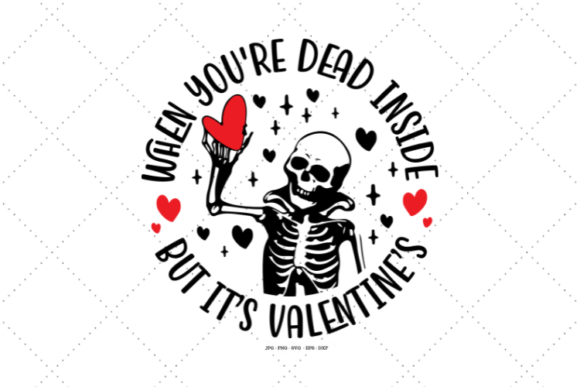
The first time I saw Valentine Skeleton, I was struck by its unexpected charm. It’s not the kind of design you’d expect to find in a Valentine’s Day collection, but that’s precisely what makes it memorable. The skeleton is rendered with a playful, almost whimsical tone, blending the macabre with the romantic. Its shape is clean and stylized, avoiding the overly detailed or cartoonish look that can sometimes feel forced. The layout is simple yet effective, making it easy to stitch without overwhelming the fabric.
Fitting Into Real Projects: A Natural Match for Custom Apparel
As an embroidery designer, I often think about how a design will translate from screen to fabric. Valentine Skeleton feels like it would work well on custom apparel—especially sweatshirts, t-shirts, and tote bags. The design is large enough to stand out on a garment without being too busy. It’s the kind of pattern that could be used as a signature element for a brand or as a unique touch on a personalized gift.
I imagine using it on a custom embroidered patch for a small shop or on a holiday embroidery project for a boutique. It has the potential to be both a conversation starter and a subtle nod to the season. However, I also consider the practical side: how it might look on different fabric types and in various lighting conditions.
Testing the Waters: Real-Life Embroidery Scenarios
When evaluating a design like Valentine Skeleton, I always think about how it performs in real-life situations. For instance, if I were to use it on a sweatshirt embroidery, I’d need to ensure that the design doesn’t get lost on a larger canvas. The simplicity of the skeleton helps here—it’s not too intricate to require excessive stitching, which keeps the project manageable.
On a baby item, such as a onesie or a blanket, the design should remain clear and legible. The stitch density and thread color contrast are crucial here. A light-colored thread on a dark fabric might not show up well, so testing on scrap fabric is essential before committing to a finished product.
For a commercial embroidery project, the design needs to maintain its integrity across multiple units. This means checking for consistency in fill stitch and satin stitch areas. If the design has any decorative accents, those should be carefully reviewed to ensure they don’t become distorted during the embroidery process.
Where to Use with Caution
While Valentine Skeleton is versatile, there are certain scenarios where it might not perform as well. Small hoop sizes can cause the design to appear cramped, especially if the skeleton has intricate details. Textured fabrics, such as denim or corduroy, might also affect how the design looks, as they can create uneven stitch coverage.
Dark fabrics pose another challenge. Without sufficient contrast between the thread colors and the background, the design may become difficult to see. Testing the design in black and white mockups can help identify these issues early on.
Additionally, the design might not be ideal for curved surfaces like caps or hats. The stitch density and hoop size must be carefully considered to prevent distortion. Similarly, dense stitch areas or tiny lettering could become problematic when applied to stretchy or thin fabrics.
Visual Appeal and Customer Trust
The visual appeal of Valentine Skeleton is undeniable. It has a strong personality that can elevate a handmade product or a custom project. However, this same boldness means that the design needs to be used thoughtfully. A poorly executed embroidery can ruin the impression of a handmade product or a personalized gift.
Customer trust is built on consistency and quality. When a design like Valentine Skeleton is used on a craft business product or an Etsy listing, it needs to look professional. This means paying attention to design assets, printable mockups, and finished product presentation. Every detail matters, from the stabilizer used to the thread colors chosen.
Practical Design Notes for Success
Before using Valentine Skeleton in a real project, I recommend a few practical steps. First, test the design on scrap fabric to see how it looks in practice. Check the stitch density and hoop size to ensure it fits comfortably within your machine’s capabilities. Also, review the thread color contrast and consider how the design will look on both light and dark backgrounds.
For commercial use, make sure you have the proper license for selling finished items or digital products. Always confirm whether the design is suitable for both personal and commercial projects. Using the right stabilizer is also key to achieving a clean, professional finish.
Finally, consider how the design will fit into your brand identity. Whether you’re creating holiday embroidery, custom apparel, or small shop products, Valentine Skeleton has the potential to be a standout piece. Just remember to treat it with care and respect—it’s more than just a design; it’s a part of the story you’re telling through your craft.